- ASIC
- Battery management ICs
- Clocks and timing solutions
- ESD and surge protection devices
- Automotive Ethernet
- Evaluation Boards
- High reliability
- Isolation
- Memories
- Microcontroller
- Power
- RF
- Security and smart card solutions
- Sensor technology
- Small signal transistors and diodes
- Transceivers
- Universal Serial Bus (USB)
- Wireless connectivity
- Suchwerkzeuge
- Packages
- Bezugsquellen
- ?berblick
- Automotive Ethernet Bridges
- Automotive Ethernet PHY for in-vehicle networking
- Automotive Ethernet Switches for in-vehicle networking
- ?berblick
- Defense
- High-reliability custom services
- NewSpace
- Space
- ?berblick
- Embedded flash IP solutions
- Flash+RAM MCP solutions
- F-RAM (Ferroelectric RAM)
- NOR flash
- nvSRAM (non-volatile SRAM)
- PSRAM (Pseudostatic RAM)
- Radiation hardened and high-reliability memories
- RRAM Resistive Ram
- SRAM (static RAM)
- Wafer and die memory solutions
- ?berblick
- 32-bit FM Arm? Cortex? Microcontroller
- 32-bit AURIX? TriCore? microcontroller
- 32-bit PSOC? Arm? Cortex? microcontroller
- 32-bit TRAVEO? T2G Arm? Cortex? microcontroller
- 32-bit XMC? industrial microcontroller Arm? Cortex?-M
- Legacy microcontroller
- MOTIX? MCU | 32-bit motor control SoC based on Arm? Cortex?-M
- Sensing controllers
- ?berblick
- AC-DC power conversion
- Automotive conventional powertrain ICs
- Class D audio amplifier ICs
- Contactless power and sensing ICs
- DC-DC converters
- Diodes and thyristors (Si/SiC)
- Gallium nitride (GaN)
- Gate driver ICs
- IGBTs – Insulated gate bipolar transistors
- Intelligent power modules (IPM)
- LED driver ICs
- Motor control ICs
- Power MOSFETs
- Power modules
- Power supply ICs
- Protection and monitoring ICs
- Silicon carbide (SiC)
- Smart power switches
- Solid state relays
- Wireless charging ICs
- ?berblick
- Antenna cross switches
- Antenna tuners
- Bias and control
- Coupler
- Driver amplifiers
- High Reliability Discrete
- Low noise amplifiers (LNAs)
- RF diode
- RF switches
- RF transistors
- Wireless control receiver
- ?berblick
- Calypso? products
- CIPURSE? products
- Contactless memories
- OPTIGA? embedded security solutions
- SECORA? security solutions
- Security controllers
- Smart card modules
- Smart solutions for government ID
- ?berblick
- ToF 3D image sensors
- Current sensors
- Gas sensors
- Inductive position sensors
- MEMS microphones
- Pressure sensors
- Radar sensors
- Magnetic position sensors
- Magnetic speed sensors
- ?berblick
- Bipolar transistors
- Diodes
- Small signal/small power MOSFET
- ?berblick
- Automotive transceivers
- Control communication
- Powerline communications
- ?berblick
- USB 2.0 peripheral controllers
- USB 3.2 peripheral controllers
- USB hub controllers
- USB PD high-voltage microcontrollers
- USB-C AC-DC and DC-DC charging solutions
- USB-C charging port controllers
- USB-C Power Delivery controllers
- ?berblick
- AIROC? Automotive wireless
- AIROC? Bluetooth? and multiprotocol
- AIROC? connected MCU
- AIROC? Wi-Fi + Bluetooth? combos
- ?berblick
- Commercial off-the-shelf (COTs) memory portfolio
- Defense memory portfolio
- High-reliability power conversion and management
- ?berblick
- Rad hard microwave and RF
- Radiation hardened power
- Space memory portfolio
- ?berblick
- Parallel NOR flash
- SEMPER? NOR flash family
- SEMPER? X1 LPDDR flash
- Serial NOR flash
- ?berblick
- FM0+ 32-bit Arm? Cortex?-M0+ microcontroller (MCU) families
-
FM3 32-bit Arm? Cortex?-M3 microcontroller (MCU) families
- ?berblick
- FM3 CY9AFx1xK series Arm? Cortex?-M3 microcontroller (MCU)
- FM3 CY9AFx1xL/M/N series Arm? Cortex?-M3 microcontroller (MCU)
- FM3 CY9AFx2xK/L series Arm? Cortex?-M3 microcontroller (MCU)
- FM3 CY9AFx3xK/L series ultra-low leak Arm? Cortex?-M3 microcontroller (MCU)
- FM3 CY9AFx4xL/M/N series low power Arm? Cortex?-M3 microcontroller (MCU)
- FM3 CY9AFx5xM/N/R series low power Arm? Cortex?-M3 microcontroller (MCU)
- FM3 CY9AFxAxL/M/N series ultra-low leak Arm? Cortex?-M3 microcontroller (MCU)
- FM3 CY9BFx1xN/R high-performance series Arm? Cortex?-M3 microcontroller (MCU)
- FM3 CY9BFx1xS/T high-performance series Arm? Cortex?-M3 microcontroller (MCU)
- FM3 CY9BFx2xJ series Arm? Cortex?-M3 microcontroller (MCU)
- FM3 CY9BFx2xK/L/M series Arm? Cortex?-M3 microcontroller (MCU)
- FM3 CY9BFx2xS/T series Arm? Cortex?-M3 microcontroller (MCU)
-
FM4 32-bit Arm? Cortex?-M4 microcontroller (MCU) families
- ?berblick
- FM4 CY9BFx6xK/L high-performance series Arm? Cortex?-M4F microcontroller (MCU)
- FM4 CY9BFx6xM/N/R high-performance series Arm? Cortex?-M4F microcontroller (MCU)
- FM4 S6E2C high-performance series Arm? Cortex?-M4F microcontroller (MCU)
- FM4 S6E2G series connectivity Arm? Cortex?-M4F microcontroller (MCU)
- FM4 S6E2H high-performance series Arm? Cortex?-M4F microcontroller (MCU)
- ?berblick
-
32-bit TriCore? AURIX? – TC2x
- ?berblick
- AURIX? family – TC21xL
- AURIX? family – TC21xSC (wireless charging)
- AURIX? family – TC22xL
- AURIX? family – TC23xL
- AURIX? family – TC23xLA (ADAS)
- AURIX? family – TC23xLX
- AURIX? family – TC264DA (ADAS)
- AURIX? family – TC26xD
- AURIX? family – TC27xT
- AURIX? family – TC297TA (ADAS)
- AURIX? family – TC29xT
- AURIX? family – TC29xTT (ADAS)
- AURIX? family – TC29xTX
- AURIX? TC2x emulation devices
-
32-bit TriCore? AURIX? – TC3x
- ?berblick
- AURIX? family - TC32xLP
- AURIX? family – TC33xDA
- AURIX? family - TC33xLP
- AURIX? family – TC35xTA (ADAS)
- AURIX? family – TC36xDP
- AURIX? family – TC37xTP
- AURIX? family – TC37xTX
- AURIX? family – TC38xQP
- AURIX? family – TC39xXA (ADAS)
- AURIX? family – TC39xXX
- AURIX? family – TC3Ex
- AURIX? TC37xTE (emulation devices)
- AURIX? TC39xXE (emulation devices)
- 32-bit TriCore? AURIX? – TC4x
- ?berblick
- PSOC? 4 Arm? Cortex?-M0/M0+
- PSOC? 4 HV Arm? Cortex?-M0+
- PSOC? 5 LP Arm? Cortex?-M3
- PSOC? 6 Arm? Cortex?-M4/M0+
- PSOC? Multitouch Arm? Cortex?-M0
- PSOC? Control Arm? Cortex?-M33
- PSOC? Fingerprint Arm? Cortex?-M0+
- PSOC? Automotive 4: Arm? Cortex?-M0/M0+
- PSOC? Edge Arm? Cortex? M55/M33
- ?berblick
- 32-bit TRAVEO? T2G Arm? Cortex? for body
- 32-bit TRAVEO? T2G Arm? Cortex? for cluster
- ?berblick
- 32-bit XMC1000 industrial microcontroller Arm? Cortex?-M0
- 32-bit XMC4000 industrial microcontroller Arm? Cortex?-M4
- XMC5000 Industrial Microcontroller Arm? Cortex?-M4F
- 32-bit XMC7000 Industrial Microcontroller Arm? Cortex?-M7
- ?berblick
- Legacy 32-bit MCU
- Legacy 8-bit/16-bit microcontroller
- Other legacy MCUs
- ?berblick
- AC-DC integrated power stage - CoolSET?
- AC-DC PWM-PFC controller
- ?berblick
- Bridge rectifiers & AC switches
- CoolSiC? Schottky diodes
- Diode bare dies
- Silicon diodes
- Thyristor / Diode Power Modules
- Thyristor soft starter modules
- Thyristor/diode discs
- ?berblick
- Automotive gate driver ICs
- Isolated Gate Driver ICs
- Level-Shift Gate Driver ICs
- Low-Side Drivers
- Transformer Driver ICs
- ?berblick
- AC-DC LED driver ICs
- Ballast IC
- DC-DC LED driver IC
- LED dimming interface IC
- Linear LED driver IC
- LITIX? - Automotive LED Driver IC
- NFC wireless configuration IC with PWM output
- VCSEL driver
- ?berblick
- 32-bit PSOC? Control Arm? Cortex?-M33 MCU
- iMOTION? Integrated motor control solutions
- MOTIX? MCU | 32-bit motor control SoC based on Arm? Cortex?-M
- MOTIX? motor control ICs for BLDC motors
- MOTIX? motor control ICs for brushed DC motors
- MOTIX? multi half-bridge ICs for servo and stepper motors
- ?berblick
- Automotive MOSFET
- Dual MOSFETs
- MOSFET (Si & SiC) Modules
- N-channel depletion mode MOSFET
- N-channel power MOSFETs
- Silicon carbide CoolSiC? MOSFETs
- Small signal/small power MOSFET
- ?berblick
- Automotive transceivers
- Linear Voltage Regulators for Automotive Applications
- OPTIREG? PMIC
- OPTIREG? switcher
- OPTIREG? System Basis Chips (SBC)
- ?berblick
- eFuse
-
High-side switches
- ?berblick
- Classic PROFET? 12V | Automotive smart high-side switch
- Classic PROFET? 24V | Automotive smart high-side switch
- Power PROFET? + 12/24/48V | Automotive smart high-side switch
- PROFET? + 12V | Automotive smart high-side switch
- PROFET? + 24V | Automotive smart high-side switch
- PROFET? + 48V | Automotive smart high-side switch
- PROFET? +2 12V | Automotive smart high-side switch
- PROFET? Industrial | Smart high-side switch
- PROFET? Load Guard 12V | Automotive smart high-side switch
- PROFET? Wire Guard 12V | Automotive eFuse
- Low-side switches
- Multichannel SPI Switches & Controller
- ?berblick
- Radar sensors for automotive
- Radar sensors for IoT
- ?berblick
- EZ-USB? CX3 MIPI CSI2 to USB 3.0 camera controller
- EZ-USB? FX10 & FX5N USB 10Gbps peripheral controller
- EZ-USB? FX20 USB 20 Gbps peripheral controller
- EZ-USB? FX3 USB 5 Gbps peripheral controller
- EZ-USB? FX3S USB 5 Gbps peripheral controller with storage interface
- EZ-USB? FX5 USB 5 Gbps peripheral controller
- EZ-USB? SD3 USB 5 Gbps storage controller
- EZ-USB? SX3 FIFO to USB 5 Gbps peripheral controller
- ?berblick
- EZ-PD? CCG3 USB type-C port controller PD
- EZ-PD? CCG3PA USB-C and PD
- EZ-PD? CCG3PA-NFET USB-C PD controller
- EZ-PD? CCG7x consumer USB-C Power Delivery & DC-DC controller
- EZ-PD? PAG1: power adapter generation 1
- EZ-PD? PAG2: Power Adapter Generation 2
- EZ-PD? PAG2-PD USB-C PD Controller
- ?berblick
- EZ-PD? ACG1F one-port USB-C controller
- EZ-PD? CCG2 USB Type-C port controller
- EZ-PD? CCG3PA Automotive USB-C and Power Delivery controller
- EZ-PD? CCG4 two-port USB-C and PD
- EZ-PD? CCG5 dual-port and CCG5C single-port USB-C PD controllers
- EZ-PD? CCG6 one-port USB-C & PD controller
- EZ-PD? CCG6_CFP and EZ-PD? CCG8_CFP Dual-Single-Port USB-C PD
- EZ-PD? CCG6DF dual-port and CCG6SF single-port USB-C PD controllers
- EZ-PD? CCG7D Automotive dual-port USB-C PD + DC-DC controller
- EZ-PD? CCG7S Automotive single-port USB-C PD solution with a DC-DC controller
- EZ-PD? CCG7SAF Automotive Single-port USB-C PD + DC-DC Controller + FETs
- EZ-PD? CCG8 dual-single-port USB-C PD
- EZ-PD? CMG1 USB-C EMCA controller
- EZ-PD? CMG2 USB-C EMCA controller with EPR
- AKTUELLES IN
- Aerospace and defense
- Automotive
- Consumer electronics
- Health and?lifestyle
- Home appliances
- Industrial
- Information and Communication Technology
- Renewables
- Robotics
- Security solutions
- Smart home and building
- Solutions
- ?berblick
- Defense applications
- Space applications
- ?berblick
- 48 V systems for EVs & mild hybrids
- ADAS & autonomous driving
- Automotive body electronics & power distribution
- Automotive LED lighting systems
- Chassis control & safety
- Electric vehicle drivetrain system
- EV thermal management system
- Internal combustion drivetrain systems
- In-vehicle infotainment & HMI
- Light electric vehicle solutions
- ?berblick
- Adapters and chargers
- Complete system solutions for smart TVs
- Mobile device and smartphone solutions
- Multicopters and drones
- Power tools
- Semiconductor solutions for home entertainment applications
- Smart conference systems
- ?berblick
- Adapters and chargers
- Asset Tracking
- Battery formation and testing
- Electric forklifts
- Battery energy storage (BESS)
- EV charging
- High voltage solid-state power distribution
- Industrial automation
- Industrial motor drives and controls
- Industrial robots system solutions for Industry 4.0
- LED lighting system design
- Light electric vehicle solutions
- Power tools
- Power transmission and distribution
- Traction
- Uninterruptible power supplies (UPS)
- ?berblick
- Data center and AI data center solutions
- Edge computing
- Telecommunications infrastructure
- Machine Learning Edge AI
- ?berblick
- Battery formation and testing
- EV charging
- Hydrogen
- Photovoltaic
- Wind power
- Solid-state circuit breaker
- Battery energy storage (BESS)
- ?berblick
- Device authentication and brand protection
- Embedded security for the Internet of Things (IoT)
- eSIM applications
- Government identification
- Mobile security
- Payment solutions
- Access control and ticketing
- ?berblick
- Domestic robots
- Heating ventilation and air conditioning (HVAC)
- Home and building automation
- PC accessories
- Semiconductor solutions for home entertainment applications
- ?berblick
- Battery management systems (BMS)
- Connectivity
- Human Machine Interface
- Machine Learning Edge AI
- Motor control
- Power conversion
- Security
- Sensor solutions
- System diagnostics and analytics
- ?berblick
- Automotive auxiliary systems
- Automotive gateway
- Automotive power distribution
- Body control modules (BCM)
- Comfort & convenience electronics
- Zonal DC-DC converter 48 V-12 V
- Zone control unit
- ?berblick
- Automotive animated LED lighting system
- Automotive LED front single light functions
- Automotive LED rear single light functions
- Full LED headlight system - multi-channel LED driver
- LED drivers (electric two- & three-wheelers)
- LED pixel light?controller - supply & communication
- Static interior ambient LED light
- ?berblick
- Active suspension control
- Airbag system
- Automotive braking solutions
- Automotive steering solutions
- Chassis domain control
- Reversible seatbelt pretensioner
- ?berblick
-
Automotive BMS
- ?berblick
- Automotive battery cell monitoring & balancing
- Automotive battery control unit (BCU)
- Automotive battery isolated communication
- Automotive battery management system (BMS) - 12 V to 24 V
- Automotive battery management system (BMS) - 48 V
- Automotive battery management system (BMS) - high-voltage
- Automotive battery pack monitoring
- Automotive battery passport & event logging
- Automotive battery protection & disconnection
- Automotive current sensing & coulomb counting
- BMS (electric two- & three-wheelers)
- EV charging
- EV inverters
- EV power conversion & OBC
- FCEV powertrain system
- ?berblick
- Automatic transmission hydraulic system
- Belt starter generator 48 V – inverter ISG
- Diesel direct injection
- Double-clutch transmission electrical control
- Double-clutch transmission hydraulic control
- Gasoline direct injection
- Multi-port fuel injection
- Small 1-cylinder combustion engine solution
- Small engine starter kit
- Transfer case brushed DC
- Transfer case brushless DC (BLDC)
- ?berblick
- Automotive head unit
- Automotive USB-C power & data solution
- Automotive?instrument cluster
- Automotive?telematics control unit?(TCU)
- Center information display (CID)
- High-performance cockpit controller
- In-cabin wireless charging
- Smart instrument cluster (electric two- & three-wheelers)
- ?berblick
- E-bike solutions
- Two- & three-wheeler solutions
- ?berblick
- Audio amplifier solutions
- Complete system solutions for smart TVs
- Distribution audio amplifier unit solutions
- Home theater installation speaker system solutions
- Party speaker solutions
- PoE audio amplifier unit solutions
- Portable speaker solutions
- Powered active speaker systems
- Remote control
- Smart speaker designs
- Soundbar solutions
- ?berblick
- Data center and AI data center solutions
- Digital input/output (I/O) modules
- DIN rail power supply solutions
- Home and building automation
- Industrial HMI Monitors and Panels
- Industrial motor drives and controls
- Industrial PC
- Industrial robots system solutions for Industry 4.0
- Industrial sensors
- Machine vision
- Mobile robots (AGV, AMR)
- Programmable logic controller (PLC)
- Solid-state circuit breaker
- Uninterruptible power supplies (UPS)
- ?berblick
- 48 V intermediate bus converter (IBC)
- AI accelerator cards
- AMD server CPUs
- Ampere CPUs
- FPGAs in datacenter applications
- Intel server CPUs
- Networking and switch platforms
- Power path protection
- Power system reliability modeling
- RAID storage
- Server battery backup units (BBU)
- Server power supply
- SmartNIC cards
- ?berblick
- AC-DC power conversion for telecommunications infrastructure
- DC-DC power conversion for telecommunications infrastructure
- FPGA in wired and wireless telecommunications applications
- Satellite communications
- Power system reliability modeling
- RF front end components for telecommunications infrastructure
- ?berblick
-
AC-DC power conversion
- ?berblick
- AC-DC auxiliary power supplies
- AC-DC power conversion for telecommunications infrastructure
- Adapters and chargers
- Automotive LED lighting systems
- Complete system solutions for smart TVs
- Desktop power supplies
- EV charging
- Industrial power supplies
- PoE power sourcing equipment (PSE)
- Server power supply units (PSU)
- Uninterruptible power supplies (UPS)
- DC-DC power conversion
- ?berblick
- Power supply health monitoring
- AKTUELLES IN
- Digital documentation
- Evaluation boards
- Finder & selection tools
- Platforms
- Services
- Simulation & Modeling
- Software
- Tools
- Partners
- Maker
- University Alliance Program
- ?berblick
- Bipolar Discs Finder
- Bipolar Module Finder
- Connected Secure Systems Finder
- Diode Rectifier Finder
- ESD Protection Finder
- Evaluation Board Finder
- Gate Driver Finder
- IGBT Discrete Finder
- IGBT Module Finder
- IPM Finder
- Microcontroller Finder
- MOSFET Finder
- PMIC Finder
- Product Finder
- PSOC? and FMx MCU Board & Kit Finder
- Radar Finder
- Reference Design Finder
- Simulation Model Finder
- Smart Power Switch Finder
- Transceiver Finder
- Voltage Regulator Finder
- Wireless Connectivity Board & Kit Finder
- ?berblick
- AIROC? software & tools
- AURIX? software & tools
- Drive Core for automotive software development
- iMOTION? software & tools
- Infineon Smart Power Switches & Gate Driver Tool Suite
- MOTIX? software & tools
- OPTIGA? software & tools
- PSOC? software & tools
- TRAVEO? software & tools
- XENSIV? software & tools
- XMC? software & tools
- ?berblick
- CoolGaN? Simulation Tool (PLECS)
- HiRel Fit Rate Tool
- Infineon Designer
- Interactive product sheet
- IPOSIM Online Power Simulation Platform
- InfineonSpice Offline Simulation Tool
- OPTIREG? automotive power supply ICs Simulation Tool (PLECS)
- Power MOSFET Simulation Models
- PowerEsim Switch Mode Power Supply Design Tool
- Solution Finder
- XENSIV? Magnetic Sensor Simulation Tool
- ?berblick
- AURIX? certifications
- AURIX? development tools
-
AURIX? Embedded Software
- ?berblick
- AURIX? Applications software
- AURIX? Artificial Intelligence
- AURIX? Gateway
- AURIX? iLLD Drivers
- Infineon safety
- AURIX? Security
- AURIX? TC3xx Motor Control Application Kit
- AURIX? TC4x SW application architecture
- Infineon AUTOSAR
- Communication and Connectivity
- Middleware
- Non AUTOSAR OS/RTOS
- OTA
- AURIX? Microcontroller Kits
- ?berblick
- TRAVEO? Development Tools
- TRAVEO? Embedded Software
- ?berblick
- XENSIV? Development Tools
- XENSIV? Embedded Software
- XENSIV? evaluation boards
- ?berblick
- CAPSENSE? Controllers Code Examples
- Memories for Embedded Systems Code Examples
- PSOC? 1 Code Examples for PSOC? Designer
- PSOC? 3 Code Examples for PSOC? Creator
- PSOC? 3/4/5 Code Examples
- PSOC? 4 Code Examples for PSOC? Creator
- PSOC? 6 Code Examples for PSOC? Creator
- PSOC? 63 Code Examples
- USB Controllers Code Examples
- ?berblick
- DEEPCRAFT? AI Hub
- DEEPCRAFT? Audio Enhancement
- DEEPCRAFT? Model Converter
-
DEEPCRAFT? Ready Models
- ?berblick
- DEEPCRAFT? Ready Model for Baby Cry Detection
- DEEPCRAFT? Ready Model for Cough Detection
- DEEPCRAFT? Ready Model for Direction of Arrival (Sound)
- DEEPCRAFT? Ready Model for Factory Alarm Detection
- DEEPCRAFT? Ready Model for Fall Detection
- DEEPCRAFT? Ready Model for Gesture Classification
- DEEPCRAFT? Ready Model for Siren Detection
- DEEPCRAFT? Ready Model for Snore Detection
- DEEPCRAFT? Studio
- DEEPCRAFT? Voice Assistant
- ?berblick
- AIROC? Wi-Fi & Bluetooth EZ-Serial Module Firmware Platform
- AIROC? Wi-Fi & Bluetooth Linux and Android Drivers
- emWin Graphics Library and GUI for PSOC?
- Infineon Complex Device Driver for Battery Management Systems
- Memory Solutions Hub
- PSOC? 6 Peripheral Driver Library (PDL) for PSOC? Creator
- USB Controllers EZ-USB? GX3 Software and Drivers
- ?berblick
- CAPSENSE? Controllers Configuration Tools EZ-Click
- DC-DC Integrated POL Voltage Regulators Configuration Tool – PowIRCenter
- EZ-USB? SX3 Configuration Utility
- FM+ Configuration Tools
- FMx Configuration Tools
- Tranceiver IC Configuration Tool
- USB EZ-PD? Configuration Utility
- USB EZ-PD? Dock Configuration Utility
- USB EZ-USB? HX3C Blaster Plus Configuration Utility
- USB UART Config Utility
- XENSIV? Tire Pressure Sensor Programming
- ?berblick
- EZ-PD? CCGx Dock Software Development Kit
-
FMx Softune IDE
- ?berblick
- RealOS? Real-Time Operating System
- Softune IDE Language tools
- Softune Workbench
- Tool Lineup for F2MC-16 Family SOFTUNE V3
- Tool Lineup for F2MC-8FX Family SOFTUNE V3
- Tool Lineup for FR Family SOFTUNE V6
- Virtual Starter Kit
- Windows 10 operation of released SOFTUNE product
- Windows 7 operation of released SOFTUNE product
- Windows 8 operation of released SOFTUNE product
- ModusToolbox? Software
- PSOC? Creator Software
- Radar Development Kit
- RUST
- USB Controllers SDK
- Wireless Connectivity Bluetooth Mesh Helper Applications
- XMC? DAVE? Software
- ?berblick
- AIROC? Bluetooth? Connect App Archive
- Cypress? Programmer Archive
- EZ-PD? CCGx Power Software Development Kit Archive
- ModusToolbox? Software Archive
- PSOC? Creator Archive
- PSOC? Designer Archive
- PSOC? Programmer Archive
- USB EZ-PD? Configuration Utility Archives
- USB EZ-PD? Host SDK Archives
- USB EZ-USB? FX3 Archive
- USB EZ-USB? HX3PD Configuration Utility Archive
- WICED? Smart SDK Archive
- WICED? Studio Archive
- ?berblick
- Infineon Developer Center Launcher
- Infineon Register Viewer
- Pin and Code Wizard
- Timing Solutions
- Wireless Connectivity
- AKTUELLES IN
- Support
- Training
- Infineon Developer Community
- Neueste Nachrichten
Wirtschaftspresse
Dez. 04, 2025
Wirtschaftspresse
Dez. 03, 2025
Wirtschaftspresse
Dez. 02, 2025
Wirtschaftspresse
Nov. 17, 2025
- Unternehmen
- Unsere Geschichten
- Events
- Presse
- Investor
- Karriere
- Qualit?t
- Neueste Nachrichten
Wirtschaftspresse
Dez. 04, 2025
Wirtschaftspresse
Dez. 03, 2025
Wirtschaftspresse
Dez. 02, 2025
Wirtschaftspresse
Nov. 17, 2025

Elektromobili?t – die Brücke zu einer grüneren Zukunft
Durch die Verbindung von Nachhaltigkeitszielen, Intelligenz und Sicherheit ebnen Elektroautos den Weg in eine neue ?ra der Mobilit?t.
Juli 10, 2025
Man stelle sich folgendes Szenario vor: In der Stadt herrscht Rushhour, die Stra?en sind voller Pendler. Doch etwas ist anders als sonst. Kein Motorengeheul, kein Quietschen von Reifen und Bremsen, keine Abgaswolken, die bisher das Stadtbild gepr?gt haben. Statt des typischen Stop-and-Go-Chaos flie?t der Verkehr mit Leichtigkeit dahin. Sobald die Ampel an der Kreuzung auf Grün springt, rollen die Autos ger?uschlos an. Sofortiges Drehmoment, sanfte Beschleunigung. Die Fenster sind heruntergekurbelt und lassen die frische, saubere Morgenbrise herein.
Die Autos in dieser Stadtlandschaft fahren elektrisch. Dies ist keine Vision einer fernen Zukunft, sondern beschreibt ein neues Mobilit?tszeitalter. Eine ?ra, in der Elektrofahrzeuge neu definieren, wie sich St?dte bewegen und wie Menschen Bewegung erleben. Elektroautos sind in vielerlei Hinsicht die bessere Alternative zu herk?mmlichen Fahrzeugen. Sie tragen zu lebenswerteren St?dten bei und bieten ein komfortables und angenehmes Fahrgefühl. Der Schlüssel dazu sind Halbleiter. Jedes Mal, wenn ein Elektroauto anspringt, arbeiten Tausende von Chips im Hintergrund, um das Fahren effizienter, autonomer, vernetzter und sicherer zu machen.
Der Transport von Menschen und Gütern ist weltweit nach wie vor einer der Hauptverursacher von CO?-Emissionen. Vor allem in dicht besiedelten st?dtischen Gebieten tr?gt der Stra?enverkehr weiterhin wesentlich zur Feinstaubbelastung bei. Elektrofahrzeuge adressieren diese Herausforderungen gleich in mehrfacher Hinsicht: Sie verbrennen keine fossilen Brennstoffe auf der Stra?e und produzieren daher keine Abgase. Gleichzeitig senken sie den Schadstoffaussto? beim Bremsen und Beschleunigen. Selbst beim heutigen weltweit vorherrschenden Strommix sto?en Elektrofahrzeuge über ihren Lebenszyklus weniger CO? aus als Autos mit Verbrennungsmotor. Der Grund: Sie setzen, mehr Energie in Bewegung um. Werden Elektrofahrzeuge in intelligente Stromnetze integriert und mit erneuerbaren Energien wie Solar- und Windenergie aufgeladen, lassen sich die Emissionen sogar auf nahezu Null reduzieren.
Elektrofahrzeuge punkten mit der Art und Weise, wie sie beschleunigen und bremsen. Elektroautos verfügen in der Regel über eine effiziente Antriebstechnik, die eine sanftere Beschleunigung erm?glicht. Dadurch werden die Reifen weniger belastet, was wiederum den Verschlei? der Reifen verringert. Au?erdem nutzen Elektrofahrzeuge die Vorteile des regenerativen Bremsens. Anstatt Bremsenergie als W?rme an die Bremsen und die Umwelt abzugeben, wird sie in elektrische Energie umgewandelt. Diese Technologie senkt nicht nur den Energieverbrauch, sondern minimiert auch den Verschlei? der Bremsen und damit indirekt den Feinstaub, der durch Reibung und Abrieb freigesetzt wird. Zwar verursachen auch Elektrofahrzeuge Feinstaub durch Reifenabrieb, dank geringerer Brems- und Beschleunigungsvorg?nge kommt es im Vergleich zu herk?mmlichen Verbrennungsmotoren jedoch zu weniger Emissionen.
All dies sind Vorteile für die Automobilindustrie, für die die Reduzierung der CO?-Emissionen eine der gr??ten Herausforderungen darstellt. Die strenge CO?-Gesetzgebung zwingt die Autohersteller dazu, Emissionen zu reduzieren, ansonsten drohen hohe Geldstrafen. Viele führende Autohersteller haben sich verpflichtet, bis 2050 in ihrer gesamten Wertsch?pfungskette Netto-Null-Emissionen zu erreichen.
Die gute Nachricht: Die globale Elektromobilit?tsrevolution rollt. Im Jahr 2024 wurden 11 Millionen batteriebetriebene Elektrofahrzeuge produziert, Tendenz weiter steigend. Sch?tzungen zufolge sollen im Jahr 2030 32 Millionen batterielektrische Fahrzeuge hergestellt werden. (Infineon Sch?tzungen auf Basis des S&P Automotive Semiconductor Tracker – Oktober 2024)



Leistungsstarke Technologien sorgen dafür, dass immer mehr Elektrofahrzeuge über die Stra?en rollen. Die meisten dieser Technologien verbergen sich unsichtbar unter der Motorhaube. Halbleiter, diese winzigen, leistunsstarken Komponenten, sind die stillen M?glichmacher der Elektroautorevolution und sorgen für das reibungslose Zusammenspiel von Batterie, Motor und Ladeinfrastruktur. Von der Optimierung des Batteriemanagements bis hin zur Verkürzung der Ladezeiten sind Halbleiter unverzichtbar, um die Grenzen heutiger Elektroautos zu verschieben. Sensoren und Mikrocontroller messen und steuern jedes Detail mit einer Pr?zision von Millisekunden und sogar Nanosekunden. Leistungshalbleiter, wie sie zum Beispiel in Traktionsumrichtern eingesetzt werden, wandeln den Strom aus der Batterie in Strom für den Motor um.
Der Traktionsumrichter ist in Elektrofahrzeugen im wahrsten Sinne des Wortes der Dreh- und Angelpunkt. Er ist für die Regelung von Drehmoment und Drehzahl des Motors zust?ndig, erm?glicht das regenerative Bremsen zum Aufladen der Batterie und sorgt für eine optimale Leistungsabgabe. Hier kommen die Umrichterkomponenten von Infineon für Elektrofahrzeuge ins Spiel. Sie sind so konzipiert, dass sie Reichweite und Zuverl?ssigkeit optimieren, sodass Fahrer eines Elektrofahrzeugs ein l?ngeres Fahrvergnügen pro Ladung sowie gleichbleibende Leistung genie?en k?nnen.
Infineon beschleunigt den Fortschritt der Elektromobilit?t mit hochskalierbaren Systeml?sungen, die für den Einsatz in Fahrzeugen qualifiziert und auf die spezifischen Anforderungen von Umrichtern für Elektrofahrzeuge zugeschnitten sind. Diese L?sungen sind nicht nur auf Effizienz und Leistungsoptimierung ausgerichtet, sondern erm?glichen zudem eine schnelle Markteinführung, sodass die Hersteller diese Spitzentechnologie zügig in ihre Fahrzeuge integrieren k?nnen.
Die Nutzung innovativer Materialien wie Siliziumkarbid (SiC) und Galliumnitrid (GaN) ist der Schlüssel zur Minimierung von Energieverlusten. Sie verbessern die Umwandlung des Gleichstroms aus der Batterie in den Wechselstrom, der den Motor antreibt, und sorgen auf diese Weise dafür, dass die Energie optimal genutzt wird. Diese Effizienz zeigt sich auch bei der intelligenten Rückgewinnung von Bremsenergie, das bedeutet, dass Energie, die sonst verloren ginge, zurückgewonnen und wiederverwendet wird.
Durch die Optimierung des Wechselrichtersystems tragen Halbleiter entscheidend dazu bei, dass Elektrofahrzeuge mit einer einzigen Ladung eine deutlich l?ngere Strecke zurücklegen k?nnen – und zwar ohne Leistungseinbu?en. Jede eingesparte Kilowattstunde l?sst sich direkt in zus?tzliche Kilometer auf der Stra?e umrechnen. Dies verdeutlicht den gro?en Einfluss fortschrittlicher Halbleitertechnologie auf die Effizienz und Reichweite von Elektrofahrzeugen.
Hinter jeder Hochvoltbatterie steckt ein ausgeklügeltes Batteriemanagementsystem. Es ist das Gehirn der Batterie und überwacht untunterbrochen den Zustand jeder einzelnen der hunderten oder gar tausenden Batteriezellen, gleicht ihre Belastung aus und schützt jede einzelne Zelle vor ?berhitzung oder Tiefentladung. Bei den ersten Anzeichen von Problemen kann es defekte Zellen isolieren.
Infineon erm?glicht fortschrittliche Batteriemanagementl?sungen, die die Sicherheit und den Zustand der Batterie in den Vordergrund stellen und gleichzeitig die Reichweite und Leistung des Fahrzeugs erh?hen.
Jedes Elektrofahrzeug besitzt ein stilles Kraftwerk, das On-Board-Charging, das den Wechselstrom von ?ffentlichen oder privaten Ladestationen effizient in den Gleichstrom umwandelt, den die Batterie ben?tigt. Der Strom kommt direkt aus dem Stromnetz, w?hrend das Auto geparkt ist. Das On-Board-Ladeger?t überwacht nicht nur die Geschwindigkeit, mit der ein Elektrofahrzeug geladen werden kann, sondern hat auch die thermische Belastbarkeit im Blick. Es wirkt gezielt der Hitzeentwicklung w?hrend des Ladevorgangs entgegen und sorgt so für eine hohe Effizienz, ohne die Schaltkreise durchzubrennen. Die On-Board-Ladeger?te der n?chsten Generation werden noch leistungsf?higer, leichter und effizienter sein und die Art und Weise, wie die elektrische Zukunft angetrieben wird, revolutionieren
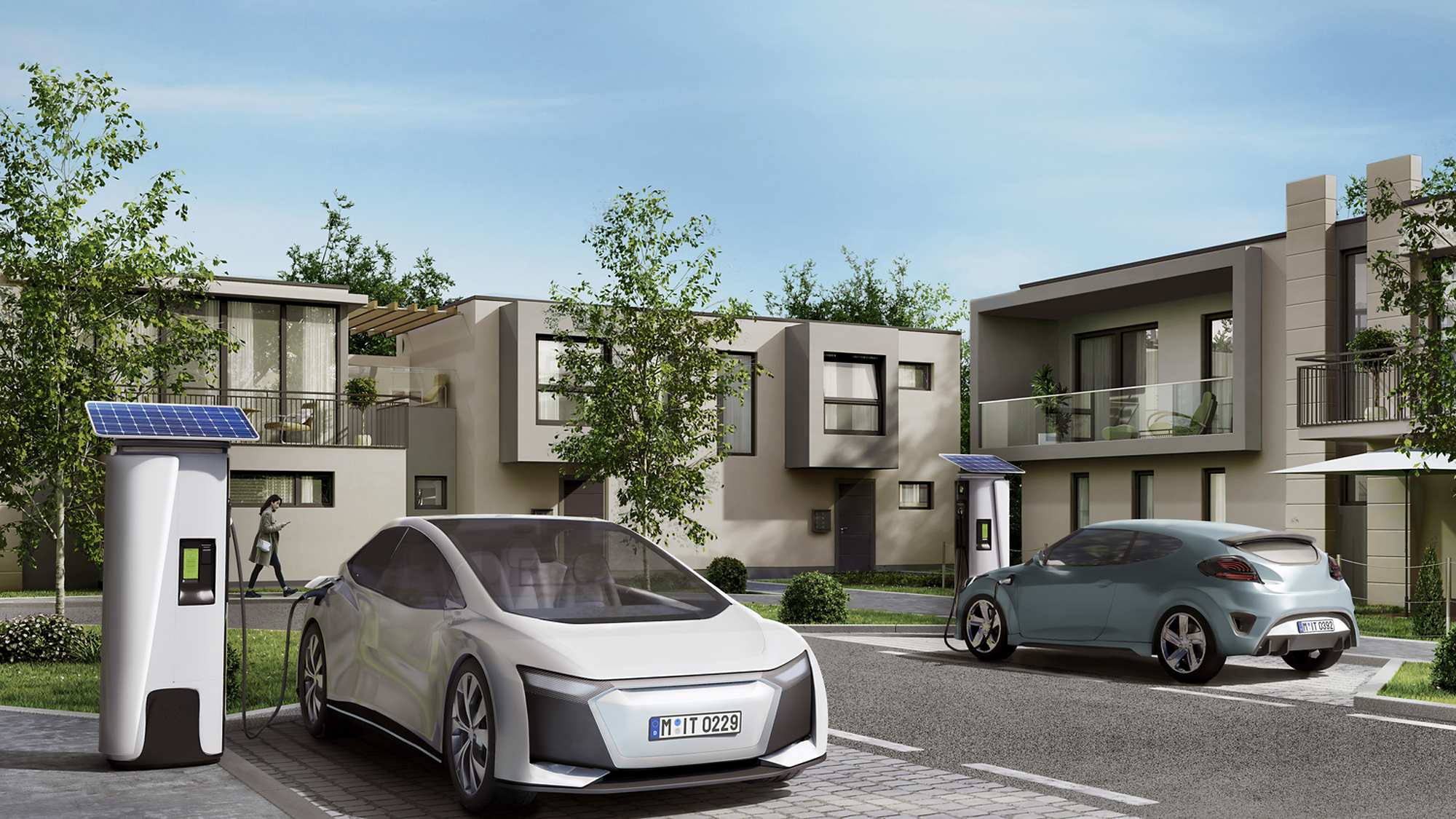
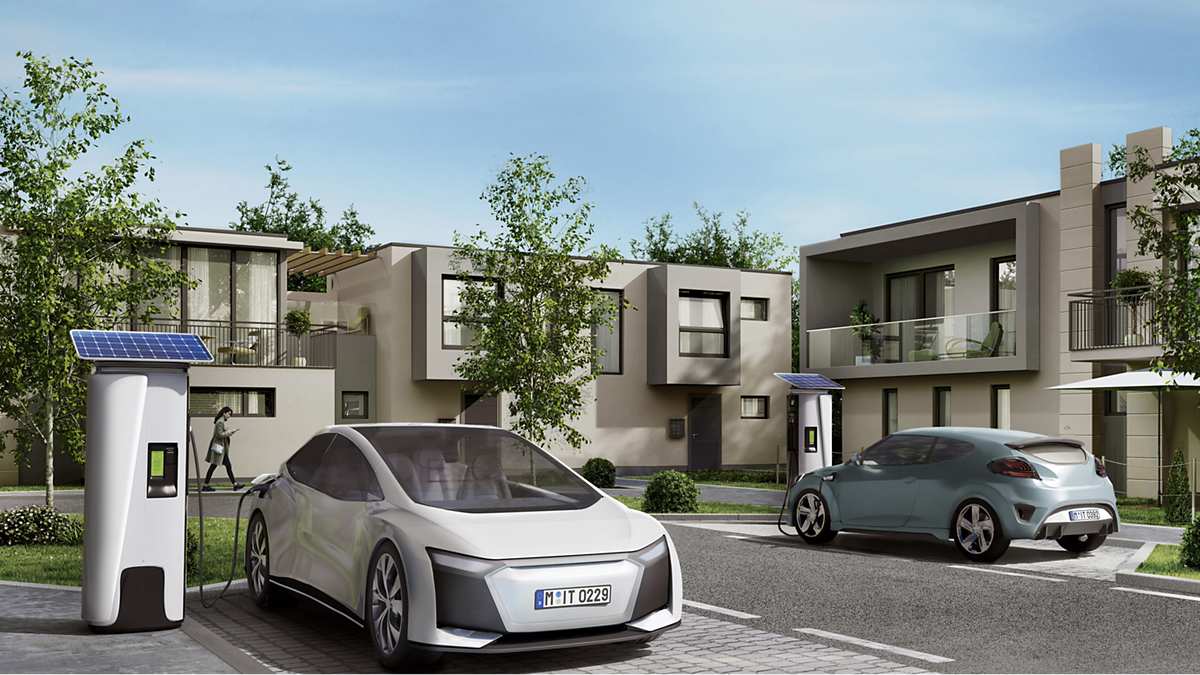
Laut der neuesten Marktstudie von TechInsights (?2024 Automotive Semiconductor Vendor Market Share", M?rz 2025) ist Infineon das fünfte Jahr in Folge die weltweite Nummer eins im Automobilbereich und widmet sich der Dekarbonisierung und Digitalisierung von Autos. Dank der führenden Expertise bei Mikrocontrollern, Sensoren, Leistungshalbleitern sowie Konnektivit?ts- und Sicherheitsl?sungen ist Infineon der bevorzugte Partner für Automobilhersteller auf der ganzen Welt, wenn es um Elektrofahrzeuge geht. Infineon-Halbleiter liefern die Effizienz, Leistung und Intelligenz, die für einen schnellen ?bergang in das Zeitalter der Elektromobilit?t erforderlich sind.
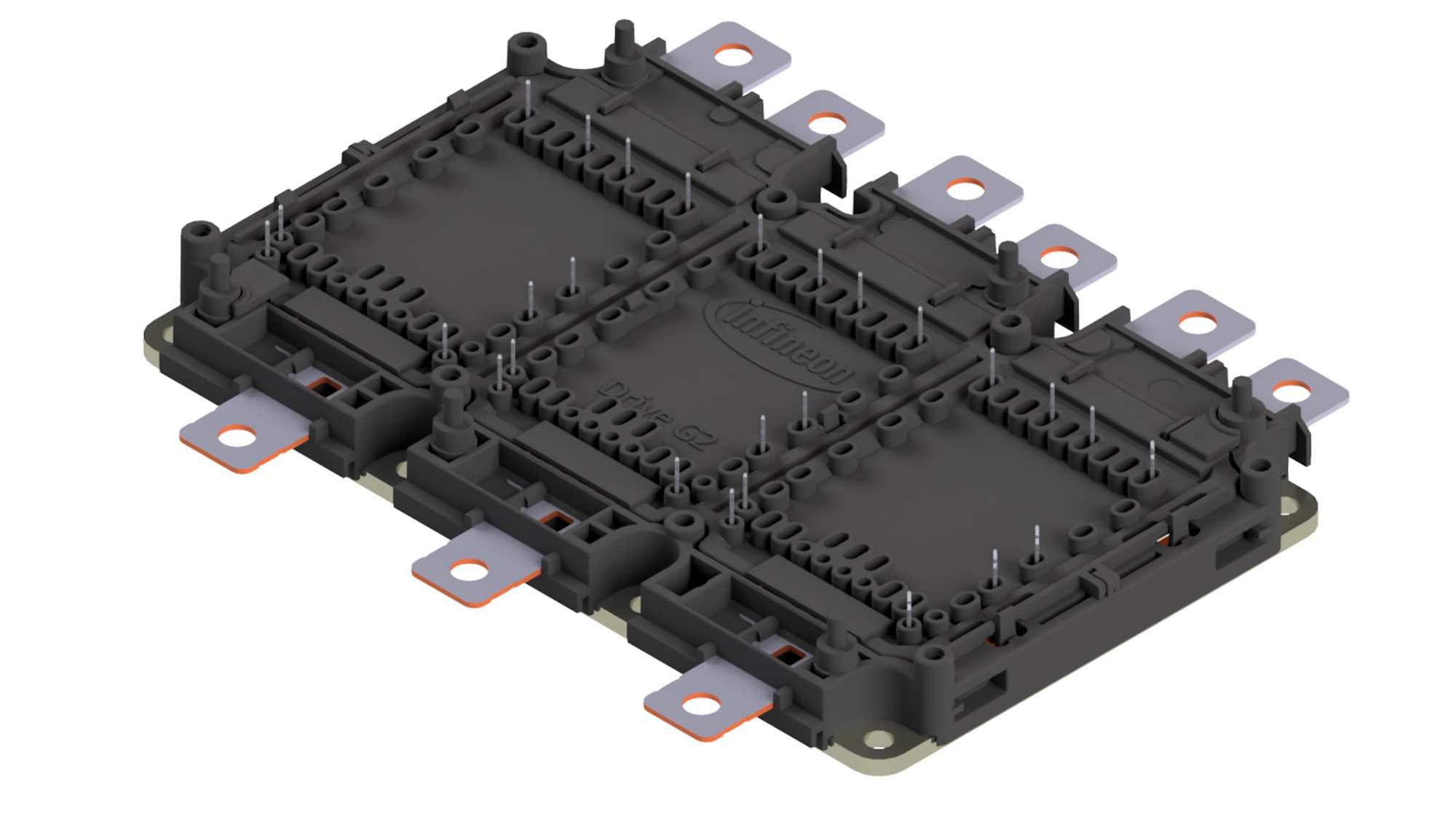
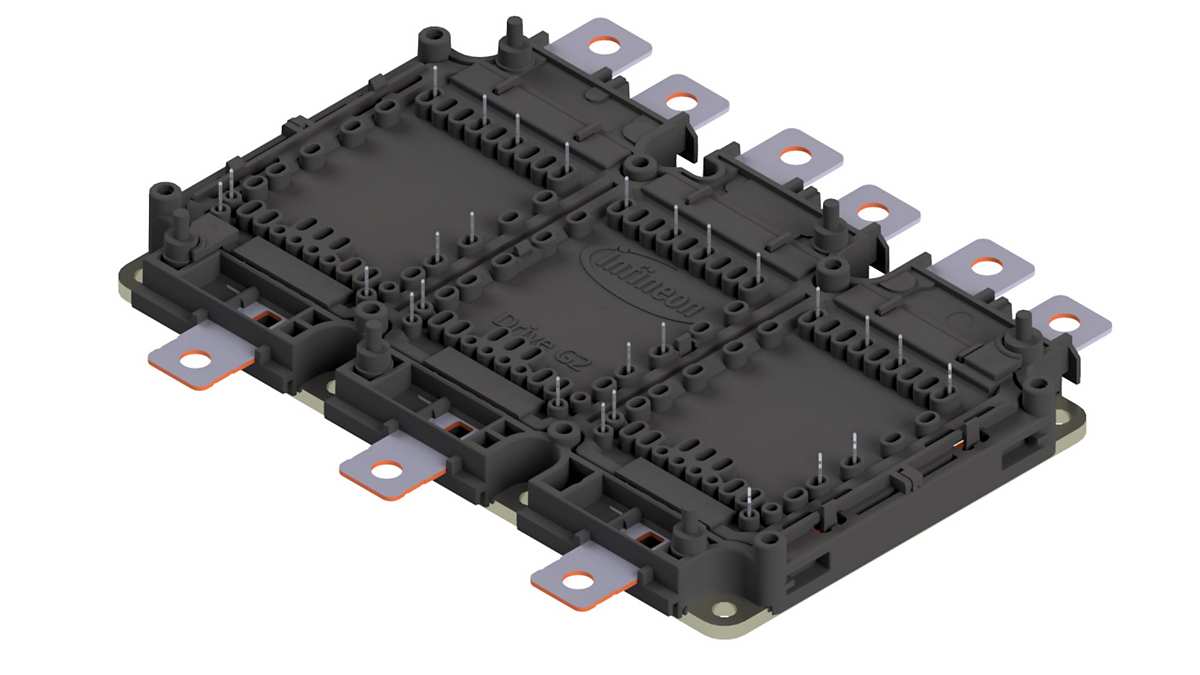
Das HybridPACK? Drive G2 Fusion ist die neueste Innovation der erfolgreichen Infineon HybridPACK? Familie und setzt einen neuen Standard für die Leistungselektronik in der Elektromobilit?t. Es ist das erste Mal, dass Silizium- (Si) und Siliziumkarbid- (SiC) Technologien in einem einzigen Modul kombiniert wurden. Dies erm?glicht ein optimales Gleichgewicht zwischen Leistung, Effizienz und Kosten – ein gro?er Schritt in Richtung nachhaltige Mobilit?t.
Kompromiss zwischen steigender Leistung und niedrigen Kosten
Silizium (Si) ist in der Elektronik weit verbreitet, da es erschwinglich ist und in verschiedenen Anwendungen gut funktioniert. Siliziumkarbid (SiC) ist ein sehr effizientes und leistungsf?higes Material, allerdings ist dieser Rohstoff im Vergleich zu Silizium sehr viel teurer. Die Verwendung von reinem SiC in Elektrofahrzeugen kann dazu beitragen, die Reichweite zu erh?hen und die Ladezeiten zu verkürzen, aber es erh?ht auch die Gesamtkosten. Die Verwendung von reinem Silizium senkt zwar die Kosten, kann jedoch die Effizienz und Leistung beeintr?chtigen.
Infineons HybridPACK? Drive G2 Fusion kombiniert Siliziumkarbid und Silizium
Das HybridPACK? Drive G2 Fusion Modul fungiert als intelligenter Manager, der die St?rken beider Materialien kombiniert. Es nutzt SiC, wo Effizienz entscheidend ist, und verl?sst sich auf kostengünstiges Si, wo es ausreicht. Damit werden Elektrofahrzeuge leistungsstark, effizient und erschwinglich.
- Fahren mit Siliziumkarbid (70% der Fahrsituationen):
SiC ist ausreichend für typische Fahrten wie Stadtverkehr oder Autobahnfahrten, bei denen nicht st?ndig eine hohe Leistung ben?tigt wird. - Fahren in anspruchsvollen Situationen (30% der Fahrsituationen):
Si wird für Szenarien mit hohen Anforderungen eingesetzt, wie z. B. schnelle Beschleunigung oder Bergauffahrten, um Effizienz und Leistung zu gew?hrleisten.
Was sind die Vorteile?
- Verbesserte Reichweite:?Die Effizienz von SiC in allt?glichen Standardsituationen erh?ht die Gesamtreichweite des Fahrzeugs.
- Niedrigere Kosten:?Da SiC nur dort eingesetzt wird, wo es notwendig ist, bleiben die Gesamtkosten deutlich niedriger als bei reinen SiC-L?sungen.
- Optimale Leistung:? Das Fahrzeug liefert sowohl im Alltag als auch unter schwierigen Bedingungen Spitzenleistungen.